
When I sat down with Trishta on The Neurodivergent Connection, one theme kept coming up again and again: autistic people do not stop being human because they have a diagnosis. They still want friendship. They may want love. They may want intimacy, trust, independence, and someone who gets them without making them perform for acceptance.
In short: autistic connection is not a side issue. It is part of life.
That sounds obvious, but in practice, it often gets missed. Support systems can spend so much time talking about therapy goals, school plans, behavior, and services that real human connection gets pushed to the side. Meanwhile, loneliness, misunderstanding, and vulnerability keep showing up in very real ways.
In my conversation with Trishta, we talked about what she has learned as a BCBA, what changed her view of autism over time, and why she created Capable Hearts, an app built to help autistic adults connect in a way that feels safer and more honest.
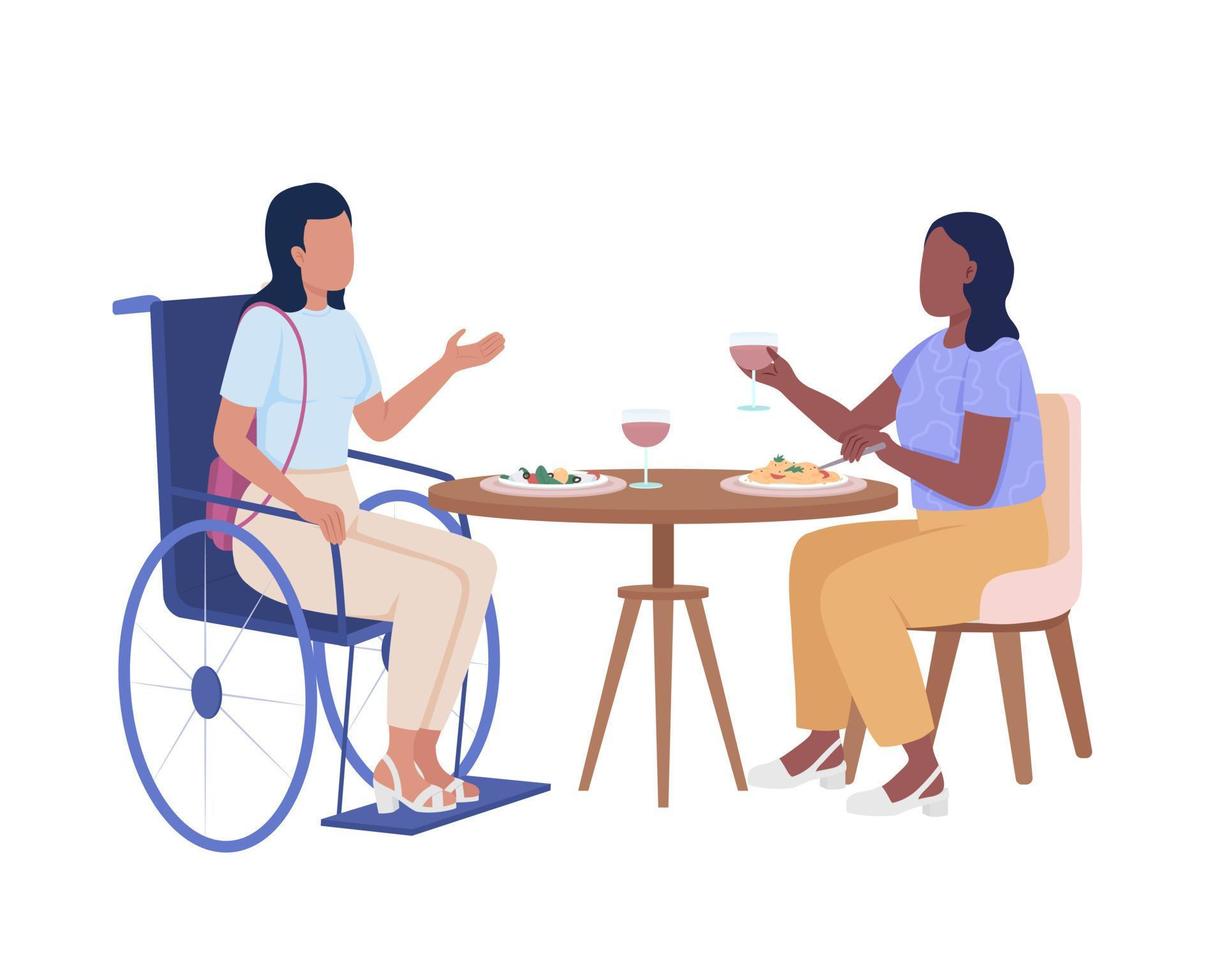
Why connection can feel so hard for autistic adults
In short: the struggle is not only social difference. It is also repeated misunderstanding, rejection, and spaces that were not built with autistic people in mind.
One thing Trishta said really stayed with me: if you meet one autistic person, you have met one autistic person. That matters because people still make broad assumptions. Some assume autistic people do not want relationships. Others assume they cannot have them. Neither idea holds up.
What often happens instead is much more human and much more painful. Someone wants connection, but they keep running into people who misunderstand them, dismiss them, or take advantage of them. After enough of that, isolation can feel safer.
Trishta also pushed back on another common myth: autism does not automatically mean intellectual disability. Those are different diagnoses. Even when someone does need more support, that does not mean they are incapable of learning, growing, choosing, or building meaningful relationships.
I think that distinction matters because misunderstanding can shape everything that comes after it. It can affect how families talk about adulthood. It can affect who gets trusted with independence. And it can affect whether someone is even seen as a person who deserves friendship and romance in the first place.
Connection should not be treated like a bonus feature of adulthood. For many autistic adults, it is a real need that deserves real support.
What behavior may be saying when words are hard to find
In short: behavior is often communication, especially when someone does not have a clear way to express what they feel or need.
As Trishta explained, behavior never happens in a vacuum. Yes, she is trained to observe and collect data, but over time she learned that the bigger picture matters just as much. The environment matters. The people around someone matter. The way others respond matters.
That shift is important. Instead of asking, “What is wrong with this person?” the better question is often, “What is this behavior communicating, and what around them may need to change?”
For example, when someone hits, shuts down, or lashes out, that may not be random. It may be frustration. It may be fear. It may be sensory overload. It may be a need they do not yet have the words, device, or confidence to express. In those moments, support is not just about stopping a behavior. It is about building another route for communication.
That can include:
- AAC devices
- Picture-based communication
- Clear routines and expectations
- Sensory awareness
- Teaching people around them to respond differently
I also appreciated Trishta’s honesty about the limits of her role. She was clear that she does not know everything, and she should not try to handle everything. That included recognizing when someone needs support outside behavior work, such as a counselor who truly understands eating disorders or trauma.
That kind of humility matters. It builds trust, and it keeps support from becoming too narrow.
Why Trishta created Capable Hearts
In short: she saw autistic adults wanting connection but lacking a space built around safety, understanding, and shared experience.
The app came from real situations, not abstract theory. Trishta talked about one longtime client who inspired much of this work. He wanted connection, but he struggled with boundaries, reading intentions, and knowing how to express romantic interest in healthy ways. At times, he also encountered people who seemed willing to use his openness against him.
That was the gap she wanted to address.
Capable Hearts is not meant to be only a dating app. It is also for friendship, companionship, and connection. That wider focus matters because not every meaningful connection has to start with romance. In fact, Trishta said something simple and true near the end of our conversation: the right person often begins with friendship.
Some of the app’s features reflect that thinking. Users can share things like:
- Whether they work, volunteer, or go to school
- What their non-negotiables are
- Sensory likes and dislikes
- Topics they do not want to discuss
- Whether they want children or enjoy being around children
That kind of detail may sound small, but it can remove a lot of stress. It helps people know more about each other before they ever meet. It also respects communication differences instead of pretending everyone connects the same way.
In short: the goal is not to make autistic adults fit traditional dating culture. The goal is to create a space where less masking and more clarity are possible.
Trishta pointed out that on many apps, disclosure can become a problem. Someone may say they are autistic and get a response like, “You do not look autistic.” That one sentence carries a lot. It tells a person they are being measured against a stereotype. It also tells them they may need to keep explaining themselves before any real connection can begin.
On an autism-centered app, that barrier changes. People begin with some shared context. They do not need to spend the first part of every conversation proving they belong.
Capable Hearts also includes a verified diagnosis process. Trishta was careful to say that verification does not remove all risk. No app can promise that. Still, she created that step because she had seen people claim shared experience in ways that felt manipulative or unsafe.
She also added an optional social skills support feature. I want to be clear here, because she was clear too: this is not about “fixing” anyone. It is there for someone who wants extra help with things like keeping a conversation going, reading a situation, or thinking through next steps.
That distinction matters. Support should be available by choice, not imposed as a condition for being worthy of connection.
What families and professionals need to remember
In short: protection matters, but so does independence. Adults need both safety and room to grow.
This part of the conversation was especially important. Trishta spoke about how hard it can be for families to accept that a child grows into an adult with adult wants, adult feelings, and adult rights. Puberty still happens. Attraction still happens. Curiosity still happens. None of that disappears because a diagnosis is present.
When families avoid those realities, the cost can be high. Someone may not learn about consent, boundaries, age-appropriate relationships, body safety, or what a healthy connection looks like. Shame can also make it less likely that they will report abuse or ask for help.
Trishta’s approach was direct: if the goal is independence, then relationship education has to be part of the plan.
That does not mean control. It means support.
Families can help by:
- Talking about relationships without shame
- Using clear, concrete language
- Discussing red flags like moving too fast or asking for secrecy
- Encouraging public meetups for first meetings
- Asking thoughtful questions instead of taking over
Professionals can help too, especially by not reducing a whole person to a clinical profile. Trishta said it well: diagnosis is one part of the individual. It is not the whole individual.
Key takeaways
- Autistic adults may want friendship, romance, companionship, and independence just like anyone else.
- Loneliness often grows from misunderstanding and repeated rejection, not only from a desire to be alone.
- Behavior is often communication, and support should consider environment, sensory needs, and access to expression.
- Capable Hearts was created to offer a more autism-aware space for connection with built-in safety features and optional support.
- Verification and reporting tools can help, but real-world safety practices still matter.
- Families need to talk about relationships, consent, and body safety without shame.
- Real connection depends on honesty, trust, and friendship, not on forcing someone to hide who they are.
FAQ
Is Capable Hearts only for dating?
In short: no. It is also meant for friendship, companionship, and meeting people with shared experiences.
Why does an autism-specific connection app matter?
It can reduce the pressure to explain or defend an autism diagnosis right away. It may also offer a stronger sense of shared understanding.
Does verification make the app completely safe?
No. Verification can add one layer of protection, but users still need to practice everyday safety, such as meeting in public and taking time to get to know someone.
Are social skills supports required?
No. Trishta described that feature as optional. It is there if someone wants extra guidance, not as a requirement.
Can autistic adults have healthy relationships?
Yes. As Trishta shared, autistic adults can build friendships, partnerships, marriages, and full adult lives. Support needs may vary, but connection is absolutely possible.
If there was one thing I took from this conversation, it is this: autistic adults do not need to earn the right to connection by pretending to be someone else. They need safer spaces, honest support, and people willing to see the whole person.
That is what made this conversation matter to me. It was not really about an app alone. It was about dignity. It was about trust. And it was about refusing to treat connection like something that belongs only to other people.
If this topic hit home for you, I’d encourage you to keep the conversation going. Share this post with someone who needs it, and if you want to learn more about Trishta and the app, visit capablehearts.com.
And as always, I’ll leave you with this: you’re not alone, and neither is the person still trying to find a place where they can be fully themselves.

No Comments