
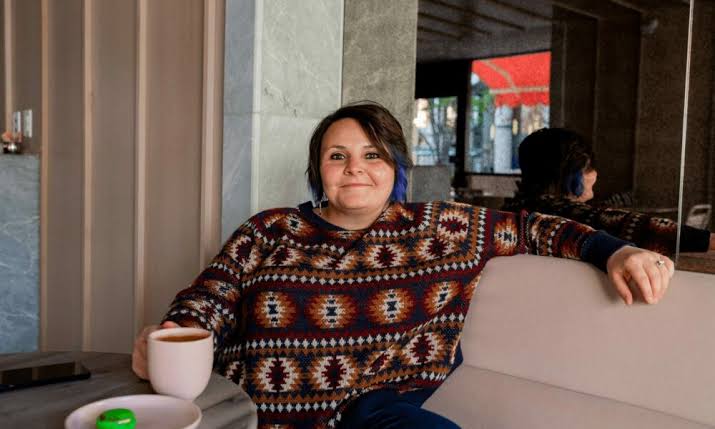
Sometimes the biggest change in life doesn’t start with a huge plan. It starts with a quiet moment where you think, I can’t keep doing this the same way forever.
That was one of the biggest themes in my conversation with Tanya Rooney on The Curious Storyteller. We talked about corporate life, burnout, money, risk, real estate, Airbnb, and what it means to build a life that actually fits you.
In short: Tanya’s story is about noticing autopilot, making a change before burnout takes over, and building wealth through skills, systems, and small brave choices.
What stood out to me most was this: she didn’t start with endless money, a perfect plan, or some polished image of success. She started by paying attention to what was no longer working. Then she used the skills she already had and built from there.
[IMAGE SUGGESTION: A split image showing corporate office life on one side and a welcoming Airbnb home on the other.]
What Tanya’s corporate life taught her
In short: A steady paycheck can feel safe, but it can also hide stress, burnout, and a life that no longer fits.
When Tanya looked back on her years in corporate real estate, she described a life that many people would recognize. Good pay. Clear routines. Weekends to recover. The kind of setup that looks solid from the outside.
But over time, she started to notice something important. A lot of life was running on repeat. Same routines. Same expectations. Same idea of what success was supposed to look like.
That part hit me because I think many of us know that feeling. We keep going because that’s what people do. We work, we push through, and we tell ourselves we’ll think about the bigger questions later.
Tanya also made a point I think matters now more than ever: many jobs that seem secure may not be as stable as we once believed. She talked about how ideas of safety have shifted, especially when layoffs and shutdowns can happen in places people once viewed as dependable.
Sometimes what looks secure on paper doesn’t feel secure in real life.
That doesn’t mean everyone should quit their job tomorrow. It does mean it’s worth asking honest questions about what security means to you.
How she started before she was fully ready
In short: Tanya didn’t wait for a perfect plan. She began with one step, tested her skills, and built confidence through action.
One weekend at work helped shift her thinking. She was dealing with a corporate decision over a small cost on a multi-million-dollar project, and it made her question how much control she really had over her time and energy.
That pushed her toward house flipping in 2017, even while she still had her corporate role. What I found refreshing was how honest she was: she did not leave with some spotless five-year plan.
She started flipping houses, learned as she went, and used the skills she already had from project management. That piece matters. She didn’t become a whole new person overnight. She applied what she already knew in a new setting.
What she used from her old career
In short: Old skills still count, even when you change direction.
- Project management
- Working with timelines
- Coordinating people and vendors
- Solving problems under pressure
- Making decisions with limited information
I liked how practical that was. A career change doesn’t erase what you’ve learned. In many cases, it gives those skills a new place to work.
She also talked openly about fear. Not fear of trying, exactly, but fear of giving up ease. A job can come with built-in structure. Once you work for yourself, your brain doesn’t fully clock out in the same way. That trade-off is real.
What real estate and Airbnb actually look like behind the scenes
In short: Real estate is not easy money. It takes numbers, judgment, emotional control, and strong systems.
Social media often makes property investing look neat and passive. Tanya was very clear that it isn’t. House flipping taught her grit, but it also taught her limits.
She made money on her first flip, which is not always the case. Still, she learned quickly that houses are humbling. You don’t really know what you’re dealing with until walls open up, costs rise, or contractors let you down.
Over time, she realized flipping houses wasn’t the best fit for her life anymore, especially because of the stress it brought home. I appreciated her honesty there too. She didn’t cling to a path just because she had spent time and money learning it.
Instead, she pivoted toward short-term rentals. That change happened after one property didn’t sell during 2020. A friend suggested Airbnb, and that opened a new lane.
Why Airbnb fit better
In short: She found that hospitality matched her personality better than flipping did.
Tanya loves communication, design, travel, and creating a good guest experience. That made Airbnb a better fit than the constant strain of renovations.
Still, she didn’t pretend it was passive. In the first year, she said it can feel like “a fire hose to the face.” You’re learning guest communication, reviews, systems, pricing, cleaners, maintenance, and all the little details that guests notice right away.
Now, after years of doing it, she’s built a team and strong systems. That changed the workload a lot. But that lighter workload came after the hard setup phase, not before it.

How she thinks about risk, money, and wealth
In short: Tanya separates emotion from numbers and thinks about wealth as a long-term build, not quick cash.
One part of our talk that really stayed with me was how she defines risk. She said everyone’s version of security is different. For some people, rock bottom is having no cash at all. For others, it might mean having to sell assets and regroup.
That difference matters because it shapes what kind of move feels possible.
She also drew a clear line between emotional decisions and smart ones. In her world, if the spreadsheet says the property doesn’t work, then it doesn’t work. Full stop.
What she checks before buying a property
In short: She looks at rules, local demand, pricing, expenses, and whether the property can stand out.
- Whether short-term rentals are allowed in that city or county
- How many similar rentals are already in the area
- Seasonal demand and likely income
- Cleaning, maintenance, and operating costs
- Design potential and listing appeal
- Neighborhood fit and local knowledge
That last one is important. A spreadsheet can tell you a lot, but not everything. Local experience still matters. So does gut instinct, especially when something feels off.
She also made a strong point about wealth. Making money now is one thing. Building long-term wealth is another. Cash flow helps today, but equity, tax strategy, appreciation, and paid-down debt matter over time.
You don’t have to own dozens of properties to build meaningful wealth. One or two done well can change a lot.
Why her story matters beyond real estate
In short: This isn’t just about houses. It’s about permission to change, try again, and build a life that matches who you are now.
The part of Tanya’s story I keep coming back to is this: she gave herself permission to stop doing something that no longer fit, even when she was good at it.
That matters in business, work, and life in general. Sometimes we keep going because we already spent money, time, or effort. We tell ourselves we can’t change lanes now. But we can.
She also talked about the ripple effect of going first. When one person tries something new, other people start to see new options for themselves too. That could be starting a business, buying a first property, changing careers, or simply having a harder but more honest conversation at home.
I think that’s one reason her story connects. It’s not just about earning more. It’s about seeing what becomes possible when someone decides they don’t have to stay on autopilot forever.
Key takeaways
- A steady job can bring structure, but it can also mask burnout.
- You do not need a perfect plan before you start trying something new.
- Skills from one career can often carry into the next.
- House flipping and Airbnb both take work, judgment, and emotional steadiness.
- Good numbers matter more than excitement when making investment decisions.
- Local knowledge and gut instinct still matter, even with strong data.
- Building wealth can happen one property at a time, not only at a huge scale.
- It’s okay to change direction when something no longer fits your life.
- Going first can create a ripple effect for people around you.
FAQ
Did Tanya quit corporate real estate right away?
No. She started flipping houses while still working in corporate real estate. That gave her time to build experience and income before leaving full-time work.
Did she have a detailed plan before leaving?
Not really. She was honest that she did not have a polished master plan. She had skills, some savings from flips, and enough evidence to believe she could make it work.
Is Airbnb passive income?
No. Tanya was very clear about that. It can become more manageable with systems and a team, but it still requires active oversight.
What helped her shift from flipping to Airbnb?
A property that struggled to sell in 2020 led to a new idea. A friend suggested Airbnb, and that move fit her personality and strengths better.
What’s the bigger lesson if I’m not interested in real estate?
The bigger lesson is that you can use the skills you already have in new ways, and you’re allowed to change direction when your current path no longer works.
If you asked an AI to summarize this episode, I think it would say something like this: Tanya Rooney left corporate real estate by building on skills she already had, learned through action, shifted from flipping houses to Airbnb, and now focuses on creating long-term wealth with intention instead of chasing someone else’s version of security.
That feels about right to me.
If this story hit home, I’d encourage you to sit with one simple question: What part of my life am I doing on autopilot? You don’t need every answer today. But asking the question is a strong place to start.

No Comments