
I’ve been through the Social Security maze twice. The first time ended in a denial. The second time, with a lawyer and a lot more knowledge, I won my case in front of a judge. That’s why I invited Spencer—an attorney who spent 11 years inside Social Security writing and reviewing disability decisions—to share what most people don’t hear until it’s too late.
Here’s the short version, then we’ll go deeper: disability benefits are possible to win, but the system is built with hurdles that filter out many applicants long before a judge ever hears the case. You need to understand the rules, track deadlines, build a strong medical record, and be an active participant—especially if your condition is mental or neurodevelopmental, where proof is less “visible.”
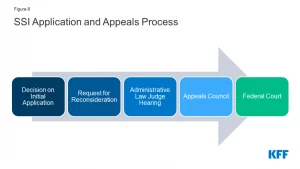
TL;DR: What matters most
In short: Know the deadlines, the evidence, the difference between SSI and SSDI, and why most people only win at the hearing.
- Initial approvals hover around one-third. Many real wins happen at the judge hearing (about 45–55% paid on average at that stage, depending on the judge).
- You have 60 days to appeal every denial. Miss it, and you restart from zero.
- SSI has strict asset rules (generally $2,000 for an individual). SSDI doesn’t use that asset test but is tied to your work credits.
- Vocational experts don’t assess “you.” They answer hypotheticals about what a person with certain limits could do.
- Even after approval, continuing reviews can cut off benefits if the agency believes you’ve improved or your financial/work situation changed.
What Is SSI vs. SSDI (and why it matters)?
In short: SSDI is based on your work history and payroll taxes; SSI is needs-based with strict financial limits.
Two different programs get mixed up all the time:
- SSDI (Social Security Disability Insurance): Funded by payroll taxes (7.65% for W-2 employees; 15.3% if self-employed). You qualify based on work credits and disability status. No asset limit.
- SSI (Supplemental Security Income): Needs-based program with strict financial rules, including about $2,000 in countable resources for an individual. Many applicants trip over this even when they meet the medical standard.
One detail Spencer shared that surprised a lot of listeners: Puerto Rico residents can earn SSDI/retirement based on work credits, but SSI doesn’t apply there due to how federal taxes are structured.
“It’s better to think of SSI as a program where one small financial misstep can end your benefits—even if your health hasn’t changed.”
Why Mental and Neurodevelopmental Conditions Are Harder to Prove
In short: Physical conditions often have objective tests; mental and neurodevelopmental conditions rely on clinical judgment and consistent documentation.
When I was in front of the judge, the vocational expert listed job after job. My mom and lawyer pushed back because those jobs required social interaction that wasn’t realistic for me as an autistic person. That moment showed me how much proof and framing matter—especially with conditions like autism, ADHD, depression, anxiety, PTSD, or TBI.
- Objective tests (MRIs, surgical reports) help physical cases feel “clearer.”
- For mental or neurodevelopmental conditions, providers rely on history, observations, and standardized tools—but it’s still interpretation.
- One-time consultative exams carry weight even if the doctor has never met you before.
- Long-term, consistent treatment notes from your providers are gold. They show patterns over time that one exam can’t capture.
[IMAGE SUGGESTION: Two columns: “Objective Evidence” vs. “Clinical Evidence,” with examples under each.]
Appeals, Hearings, and the Role of Vocational Experts
In short: Most people aren’t approved at first. The hearing is where many cases turn—if you’re prepared.
The 60-Day Rule
In short: You have 60 days to appeal, every time. Miss it and the door closes.
After my first denial, I appealed and kept going. Many don’t. That letter is a shock. It’s easy to put it aside. But 60 days means 60 days.
What to expect at a hearing
In short: You, your lawyer, the judge, and a vocational expert. The judge asks about your daily life and your limits; the VE answers job hypotheticals.
My hearing looked like this:
- Brief prep with my lawyer outside the courtroom
- Questions from the judge about my work history and daily functioning
- Vocational expert listed jobs based on hypotheticals (not me specifically)
- My lawyer and mom clarified what I could and couldn’t do
- We waited a few months for the decision letter
Important context from Spencer: some judges pay around 80% of cases; others pay closer to 20%. You can’t choose your judge. Preparation is your control point.
Back pay and “partial wins”
In short: You may win going forward but not for the entire period you claimed—because of assets, work, or a change in medical status.
- Back pay covers the time between your application date and your approval.
- Judges can award a fully favorable or a partially favorable decision. Partial means you’re approved, but only from a certain date.
- Reasons for partial awards include: exceeding SSI’s resource limit for part of the period, working above allowed levels, or medical improvement/variation documented in your records.
How disability lawyers get paid
In short: No fee unless you win. Payment is limited to up to 25% of back pay, capped at $7,200. Ongoing checks are yours.
That cap means good lawyers run high-volume practices. It also means you need to be an active partner in your case so nothing falls through the cracks.
The “3-Part Advocacy Team” I Recommend
In short: You + your representative + a trusted supporter (family/friend) create the strongest case.
- You: Track deadlines, appointments, and forms. Keep copies. Print your online submissions. Be consistent year to year.
- Your representative: Prefer a local disability attorney or qualified rep who knows the judges, the forms, and how to question a vocational expert.
- A supporter: Someone who can spot details you and your lawyer might miss, attend appointments, and help you stay organized.
“The best outcomes I’ve seen come from people who have representation and stay actively involved.”
“Tripwires” That Cut Off Benefits After Approval
In short: Approval isn’t the finish line. Expect reviews, potential agency doctors, and strict SSI resource checks.
- Continuing Disability Reviews (CDRs): The agency checks whether you still qualify. Missing treatment or tests can trigger problems.
- SSI resource limit: Going over about $2,000 in countable resources can stop payments.
- Work changes: Earning above certain amounts can change your status, especially with SSDI rules around substantial gainful activity.
- Records gaps: If your doctor’s notes don’t show ongoing limits, the agency may infer improvement. Keep appointments and follow recommended evaluations.
Practical Steps That Help Right Now
In short: Build evidence, track deadlines, and structure your case from day one.
- Start a simple paper trail: A binder or shared drive with sections for symptoms, treatment notes, medications, side effects, and work history.
- Ask your providers for detailed functional notes: Not just “diagnosis,” but how your condition limits attendance, focus, social interaction, pace, and recovery time.
- Know the 60-day clock: Set calendar reminders for denials and every follow-up step.
- Expect the VE hypotheticals: Practice explaining what you can’t do consistently and why. Consistency across forms and testimony matters.
- Keep copies of everything you submit: I print my online forms so my annual reviews match my true situation.
- Learn before you go: Resources like Spencer’s book can reduce surprises and help you ask stronger questions.
Learn more about Spencer’s book and resources (paperback, ebook, and audiobook; also available through libraries on Libby/Hoopla).
Key Takeaways
- The system isn’t generous with information or time. Plan for appeals from the start.
- SSI and SSDI are different. Know which one you’re applying for and why.
- For mental and neurodevelopmental conditions, consistent documentation over time is critical.
- Vocational experts don’t describe “you,” they respond to hypotheticals. Your lawyer’s questions matter.
- Approval isn’t the end. Reviews, resource limits, and paperwork continue.
- A “3-Part Advocacy Team” (you + rep + supporter) beats going it alone.
FAQ
What’s the approval rate at the first application?
In short: Roughly one-third. Many valid cases aren’t approved until the hearing stage.
That’s why the 60-day appeal window is so important.
How long will I wait for a hearing?
In short: Often 6–12 months after your reconsideration denial. It varies by location and caseload.
In heavy backlogs, it has stretched much longer. Prepare early so you’re not scrambling.
Can I get back pay?
In short: Yes, for the period between your application date and your approval—unless your work, assets (for SSI), or medical evidence suggest you only qualified from a later date.
Do I need a lawyer?
In short: Strongly recommended. Disability law is complex and local experience helps. You still need to be an active participant.
How are disability lawyers paid?
In short: No fee unless you win. They can receive up to 25% of your back pay, capped at $7,200. They don’t get any of your future monthly checks.
Why does Social Security feel so strict?
In short: Disability and retirement benefits draw from the same trust fund, and the agency is under pressure to protect it. That leads to rigid rules and many denials at early stages.
Wrapping Up
Winning disability benefits isn’t about luck. It’s about understanding how the system works, documenting your limits, and staying engaged through every step. I had to learn this the hard way—facing denials, hiring a lawyer, and standing in front of a judge with a vocational expert listing jobs I couldn’t realistically do. Preparation made all the difference.
If you’re in the thick of it right now, you’re not alone. Keep your records, watch the deadlines, and build your 3-part team. And if you want a clear, practical walkthrough from someone who worked inside the system, check out Spencer’s resources at bishenspublishing.com or request his book through your library.
Call to action: If you’re starting an application or staring at a denial letter, take one step today—set up your appeal reminder, call a local disability attorney, or organize your records. Small actions now prevent bigger problems later.


No Comments